- If your grandparent was born in Canada and you and your parent were both born outside Canada before December 15, 2025, you are likely already a Canadian citizen under Bill C-3.
- The line can run through your mother or your father. It must be a biological line: adoption does not pass citizenship by descent.
- You prove it with a birth record for each generation, from your grandparent's Canadian birth record down to your own birth certificate.
- If the Canadian birth record cannot be found, other evidence can work. In our experience, two Canadian sources, typically two census records, showing the birth in Canada give a strong file.
- The IRCC fee is $75 per applicant, and the published processing time is about 34 months as of October 9, 2026.
Short answer: Very likely, yes. If your grandparent was born in Canada, and both your parent and you were born outside Canada before December 15, 2025, Bill C-3 generally makes you a Canadian citizen already. You do not apply to become Canadian; you apply to IRCC for proof of citizenship (a citizenship certificate) to have it recognized.
Why the answer changed
Before December 15, 2025, Canadian citizenship by descent stopped at the first generation born outside Canada. A grandchild born abroad to a parent who was also born abroad was usually cut off. Bill C-3 removed that limit for people born abroad before December 15, 2025, so the chain can now continue through your parent to you, and on to your own children born before that date.
Who this applies to
- The line can run through your mother or your father. Bill C-3 also addressed older rules that treated mothers and fathers differently.
- It must be a biological line. Citizenship by descent does not pass through adoption. Adopted children have a separate, more complex route called a grant of citizenship.
- The grandparent must not have formally renounced Canadian citizenship before your parent was born. Becoming a U.S. citizen did not usually count as renouncing; formal renunciation is a separate application to the Canadian government and is rare.
- Children born on or after December 15, 2025 are covered by a new rule: if you are Canadian by descent and your child is born abroad after that date, you must have spent at least 1,095 days in Canada before the birth to pass on citizenship.
How you prove it
The application shows the chain one generation at a time:
- your grandparent's Canadian birth record (or citizenship certificate, if they were naturalized);
- your parent's birth certificate, naming the Canadian grandparent;
- your own birth certificate, naming your parent;
- marriage or name-change records wherever a name changes between documents; and
- government photo identification for you.
We get certified copies of two records up front: your grandparent's Canadian birth record and your own birth certificate. Plain copies from the official source are enough for the rest.
What if your grandparent's Canadian birth record cannot be found?
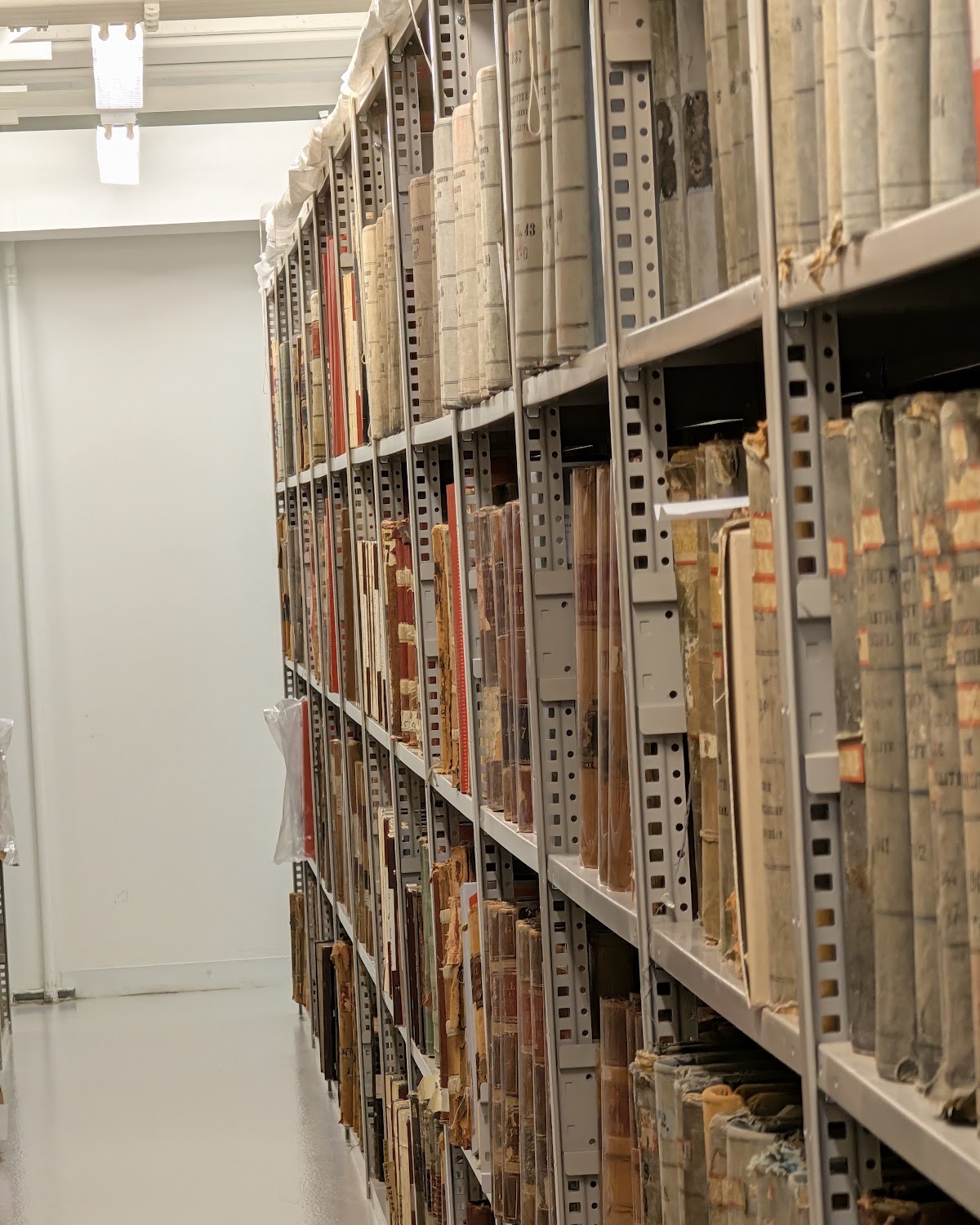
This is common for births in the 1800s and early 1900s, and it is not the end of the claim. The application must explain why the record is unavailable, for example because civil registration did not yet exist where your grandparent was born, and support that with letters from churches or archives confirming that no record exists. It then relies on other evidence of the birth in Canada. In our experience, at least two Canadian sources, typically two Canadian census records showing your grandparent born in Canada, give a high chance of success. Less than that is possible but weaker.
Cost and timing
The IRCC fee is $75 CAD per applicant. IRCC's published processing time for proof of citizenship is about 34 months, with roughly 130,700 people waiting (IRCC figures, last updated October 9, 2026). Family members can file together in one package.
Frequently asked questions
Does it matter if my Canadian grandparent was my mother's parent rather than my father's?
No. The line can run through either parent.
My grandparent became a U.S. citizen. Does that break the chain?
Usually not. U.S. naturalization did not by itself end Canadian citizenship; formal renunciation is a separate application to Canada and was rare.
What if my grandparent's Canadian birth record is missing?
You explain why it is unavailable and rely on other evidence. In our experience, two Canadian sources, typically two census records, showing the birth in Canada give a high chance of success.
If you would like a lawyer to look at your family line, book a consultation. For the full rules, see our guide to Bill C-3 and citizenship by descent.
Disclaimer: This blog is general information only, not legal advice, and may be incomplete or out of date. Laws change often. For advice on your situation, consult a qualified lawyer.
About our team
Five lawyers, a genealogist and a research team, all working on the same files.
Our lawyers have clerked at the Federal Court, decided claims at the Immigration and Refugee Board, served in Canada's foreign service and worked in the immigration groups of leading national firms. Kendra Gaede, our genealogist, chairs the Manitoba Genealogical Society's Research Committee and knows records from Quebec and Acadia to the Prairies. She leads the researchers who trace your family line and find the records that prove it.
2012 to 2016
Cédric Marin, our founder, studies civil law and common law at the University of Ottawa.
2017 to 2022
He clerks at the Federal Court of Canada, decides refugee claims and appeals at the Immigration and Refugee Board, and earns a Master of Laws.
2023
He opens Marin Immigration Law in Ottawa.
2025
Bill C-3 comes into force, and many more families with Canadian roots can claim citizenship.
2026
Four associate lawyers, a genealogist and a research team join, and we move into our office at 280 Albert Street.
Today
About 15 people, in Ottawa and across Canada.